
BRIDGING
THE GAPS.
A platform for bold and critical thinkers across gender, peace and security.
OUR BLOG invites thinkers and leaders across the Women, Peace and Security (WPS) sector to explore a more critical lens on gender, peace and security globally. With a constantly changing political landscape and shrinking civic space, it is more important than ever for WPS practitioners to have our views and norms examined and challenged.
We hope to provide a platform for intersectional, anti-racist and feminist voices, inclusive of LGBTQIA+ people, disabled persons, displaced persons, Black, Indigenous and Brown communities to push us further in our thinking and make WPS stronger and more effective.
Hosted by Gender Action for Peace and Security (GAPS), with contributions from GAPS’s secretariat, network members, partners and the wider WPS community. It looks to approach WPS holistically and considers how the agenda intersects with other factors, such as economic insecurity, access to healthcare, education, queerness and migration.
Disclaimer: the views of the articles are that of the author, not the network or secretariat.
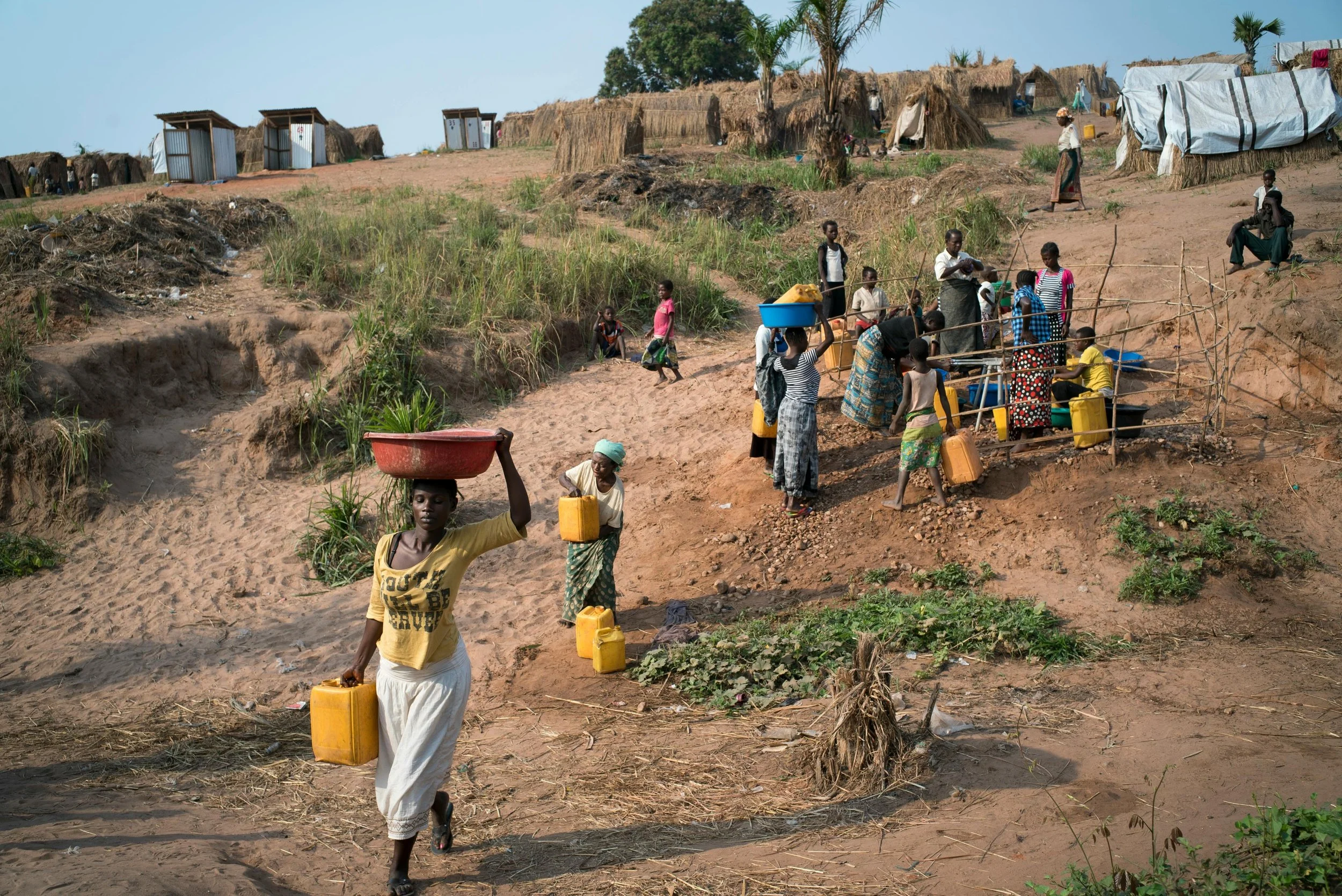
“There can only be a political solution to this conflict”
The first two months of 2025 have been bleak in the Democratic Republic of Congo (DRC). Following the resurgence of the Mouvement du 23 mars (M23)/Alliance Fleuve Congo (AFC) in 2021, the conflict took a turn for the worst in December 2024, prompting a widespread humanitarian and political crisis.
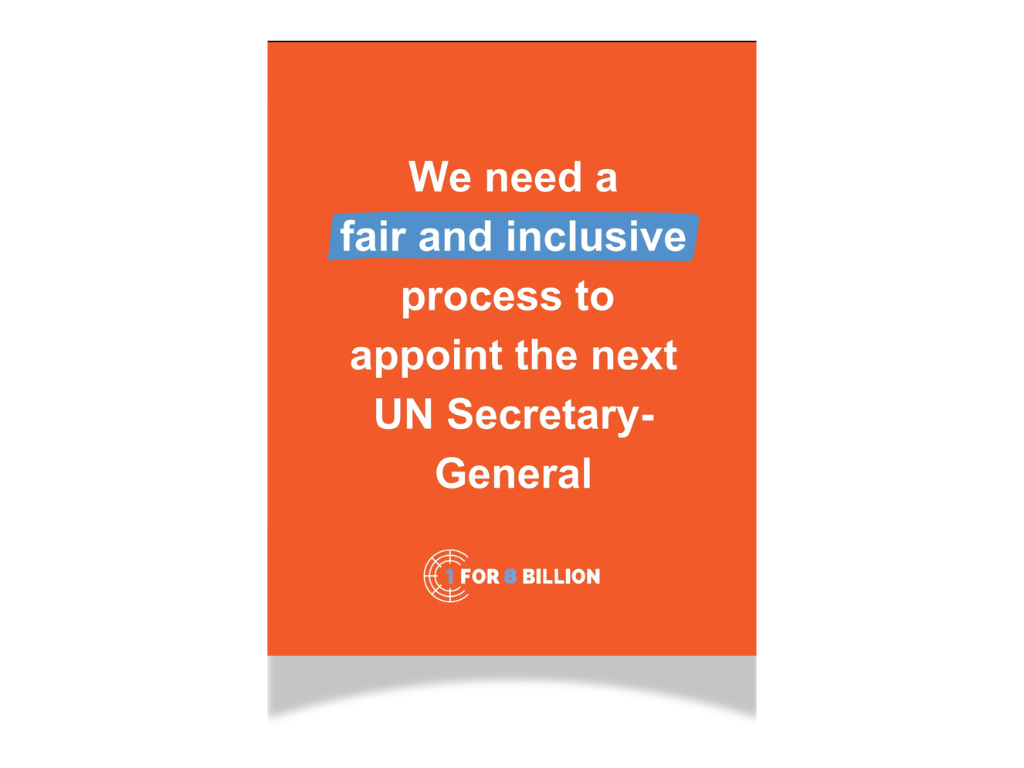
Representation for representation’s sake.
In 2024, around 1.5 billion people in over 60 countries will be voting in significant elections. Much of the world’s population will be looking on cautiously at the US election – an election that impacts so many people beyond the borders of the US and one which offers the potential of the first woman of colour US President, specifically one with Jamaican and Indian heritage. With this, discussions on representation naturally arise. This is also a hot topic in the world of Women, Peace and Security (WPS), with the ‘1 for 8 Billion’ campaign group calling for the next Secretary-General of the United Nations (UN) to be a woman.
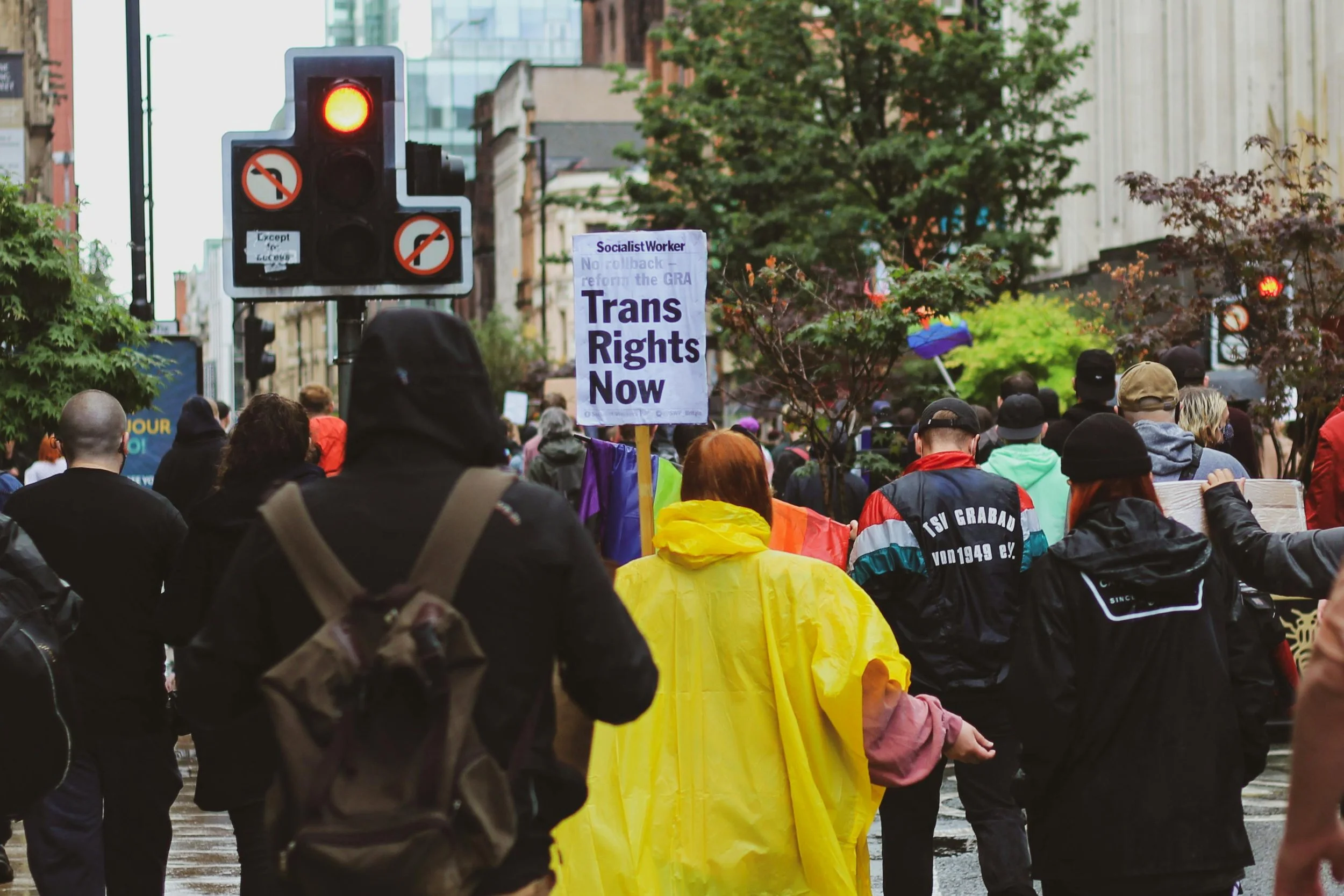
The new UK government must examine its role in fuelling anti-gender movements at the United Nations.
The UK has traditionally been a champion for gender equality in multilateral spaces. However, as the anti-gender movement spreads moral panic and influences policy, media and elections, the new UK government must reorient its actions to successfully strengthen multilateral consensus on human rights protections for women and LGBTI+ people.