
GAPS UK Staff.
-
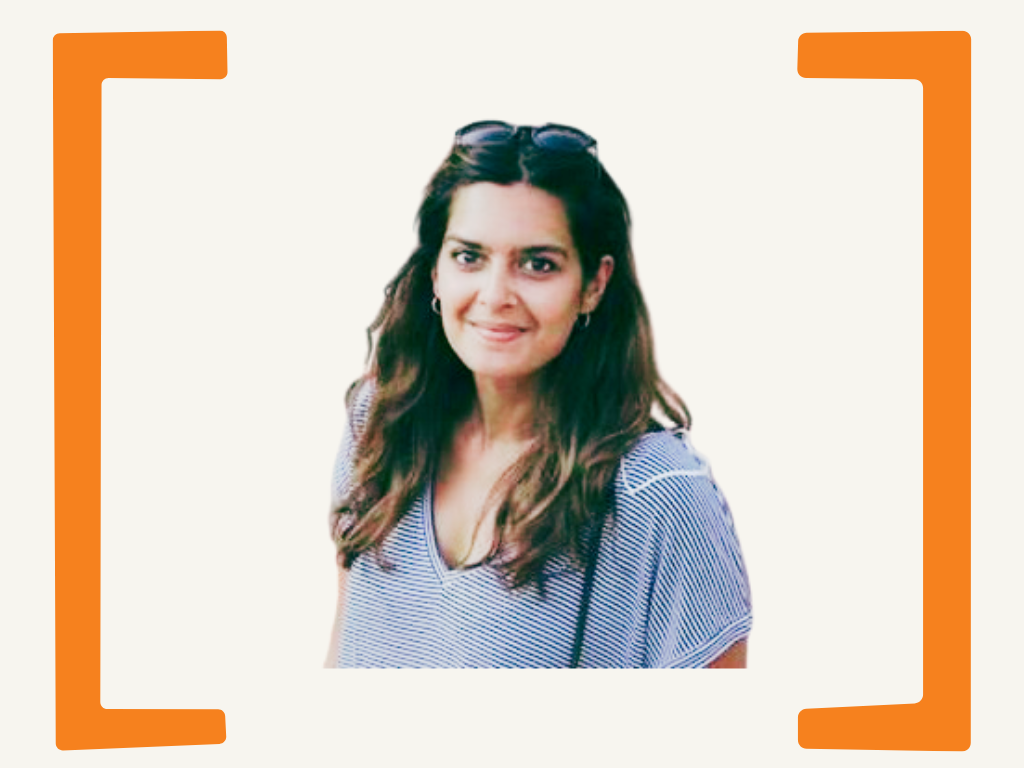
Eva Tabbasam
Director
Eva is a gender expert with diverse experience in development, humanitarian, refugee and asylum matters, and Women, Peace, and Security (WPS).
Her expertise spans the realms of research, advocacy, policy, and programming, and she has worked with a wide range of stakeholders, including multilateral organisations, government agencies, donors, international and national NGOs, civil society groups, and women’s rights organisations, both within the UK and globally.
-
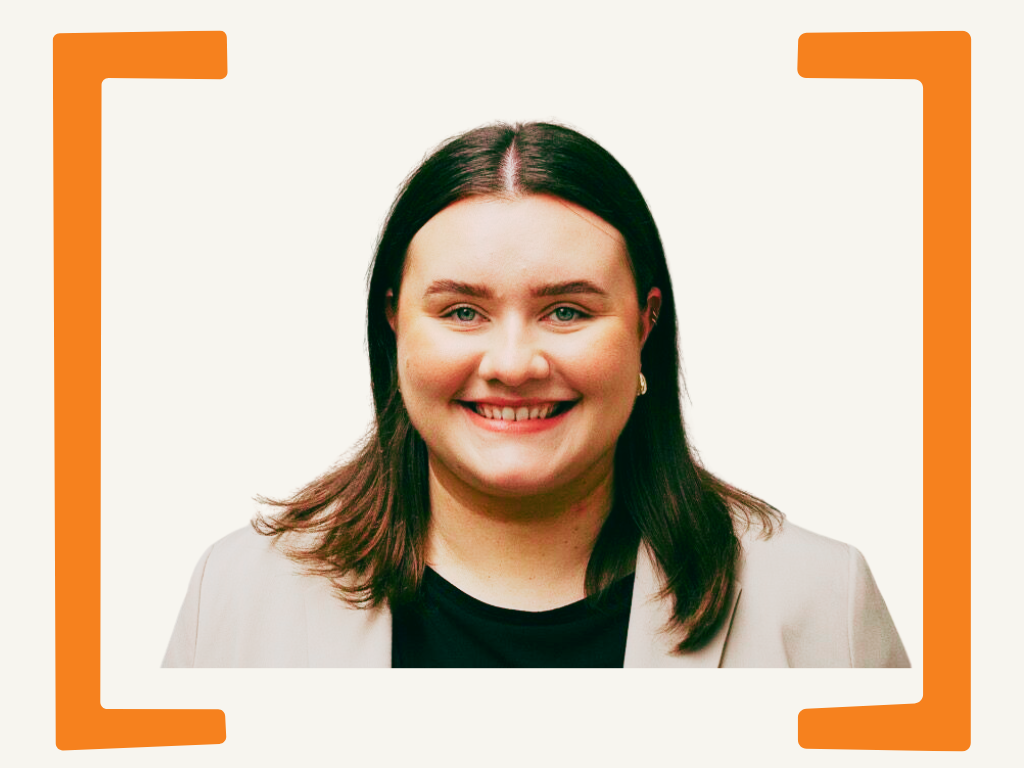
Alice Copland
Women, Peace and Security Manager
Experienced in the non-profit sector, Alice has worked extensively with a wide range of stakeholders on issues of conflict resolution, peacebuilding, and gender equality. She has supported parliamentarians and high-level decision-makers across Europe and the Gulf-MENA region in driving sustainable policy change, with a strong focus on inclusive dialogue and women’s participation. Previously, she led a Women Parliamentarian Network across 16 countries, focusing on women’s economic inclusion, political participation, and the gendered impacts of climate change.
Alice holds a Postgraduate MA in Conflict Resolution in Divided Societies from King’s College London and an Undergraduate MA in Politics and Central and East European Studies from the University of Glasgow.
Management Board
-
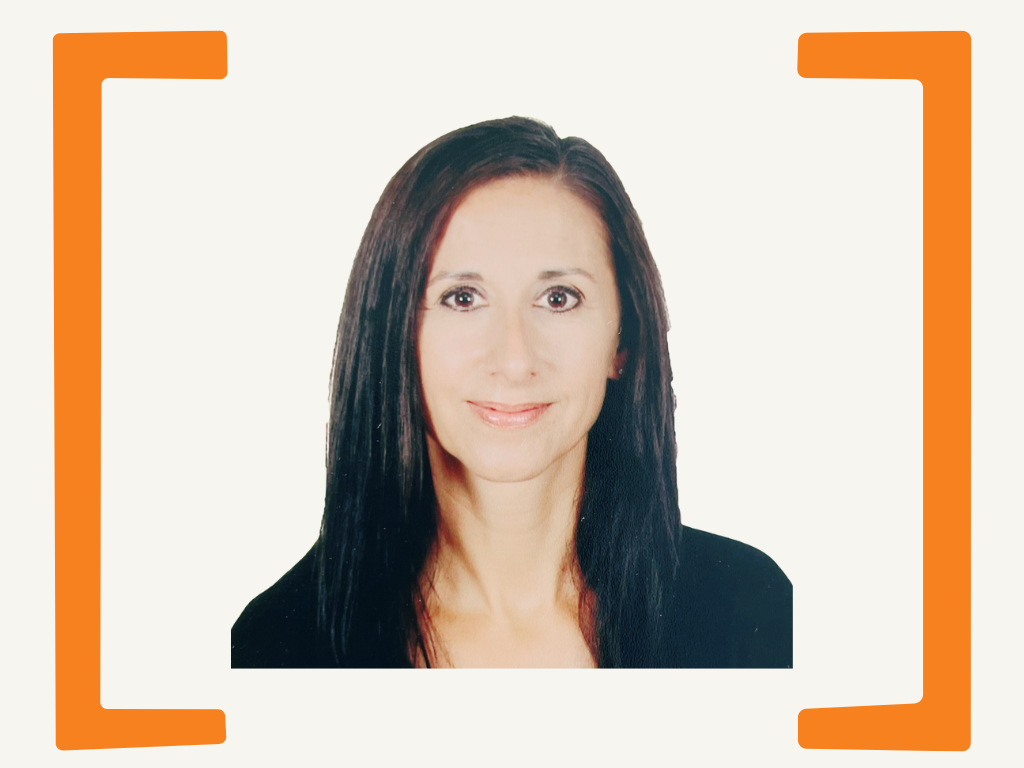
Tamara Duffey-Janser
Director of Policy and Programmes | Saferworld
Tamara is responsible for the direction, oversight and accountability of Saferworld’s geographic and international programming, including community-based work, advisory and accompaniment services, research and analysis, advocacy and policy development, and monitoring, evaluation and learning.
Since joining Saferworld in 2017, Tamara has worked as the Head of the Great Lakes and Sudans region, Head of Asia and Head of the Conflict Advisory Unit (CAU). Previously, Tamara worked for the U.S. Department of State’s Bureau of International Narcotics and Law Enforcement Affairs (INL), Embassy Dushanbe (2010-2014) and International Criminal Investigative Training Assistance Program ICITAP (2003-2007) and the Organization for Security and Cooperation in Europe Mission in Kosovo (OMIK) (2000-2007); she was a research fellow and lecturer in the Department of Peace Studies/Centre for Conflict Resolution at the University of Bradford (1993-2000). Tamara holds a Phd in Peace Studies from the University of Bradford and has over 30 years of research, training, and programming experience in conflict resolution, peacebuilding, and peacekeeping, security sector reform, community policing, and community security, and gender/women, peace, and security in a number of conflict-affected and post-conflict contexts.
-
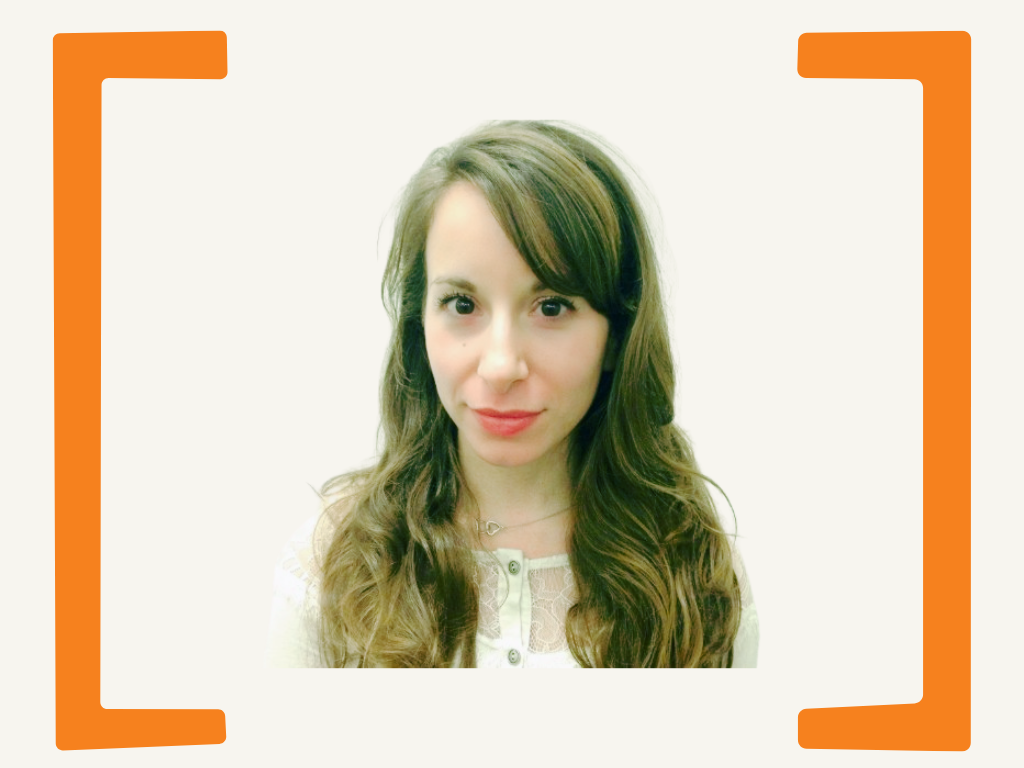
Karla McLaren
Government & Political Relations Manager | Amnesty International UK
Karla leads Amnesty International UK’s advocacy and political strategy, managing relationships with Parliament and Government on issues including refugee and migrant rights and human rights protections in the UK.
She has extensive experience working on crisis situations such as Israel and the Occupied Palestinian Territories and Afghanistan, and has particular expertise on human rights defenders, women’s rights and UK rights protections.
Karla is part of the leadership team of Amnesty International UK’s Government and Political Relations Team, ensuring political communications align with the organisation’s strategy, maintain political impartiality and strengthen Amnesty UK’s profile with political audiences. She also leads the team’s monitoring, evaluation and learning work.
-
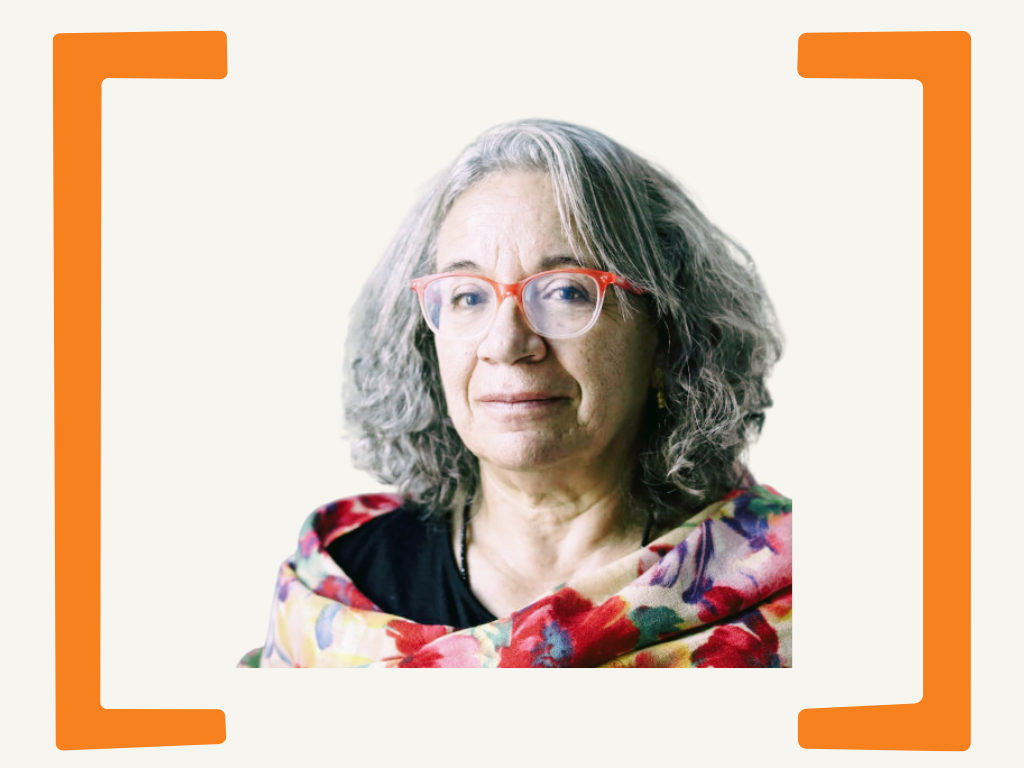
Rosa Emilia Salamanca
Feminist pacifist, peacebuilder and human rights defender & Political and Alliances (Principal) Manager of the CIASE Corporation
An expert in Women, peace and security, with years of work in gender issues, diversity, and dialogues and mediation. She is one of the founders and part of the Collective of thought and action Women, peace and security.
She has been a consultant on several occasions on security issues and feminist approach and has won several awards among which it is worth mentioning the Marsh Christian Trust and Wilton Park award for her work as a woman peacebuilder.
She is a member of the 1325 Alliance in Colombia, of the WASL International Network and is currently the spokesperson delegated by the National Summit of Women and Peace in the National Commission of Security Guarantees.
It is worth mentioning her permanent work with the National Coordination of Indigenous Women CONAMIC and currently in CIASE she is working in the territories on the nexus between gender, diversity, and ethnicity and the nexus between climate change and environment.
Also one of her interests is the issue of Intersectionality for the realisation of impact indicators in public policy that account for significant changes in the lives of women.
-

Professor Toni Haastrup
Chair in Global Politics | University of Manchester
A feminist researcher and teacher, she is particularly interested in the ways in which gendered and racial hierarchies reassert themselves in ostensibly emancipatory interventions in global politics. She is especially interested in regional security practices in Africa and Europe, and the application of the Women, Peace, and Security agenda in these spaces.
Recently, she has undertaken work around feminist foreign policy and is co-founder of the feminist collectiveAfrican Feminist Collective on Feminist Informed Policies. In addition to her scholarly interests, Toni is has worked with various institutions interested in transformative feminist futures and is an occasional media commentator.
An award-winning teacher and researcher, she is a 2022 recipient of the Emma Goldman Award from the FLAX Foundation for contributions to feminist research and knowledge in Europe, and the Emma Goldman Fellowship of the Vienna Institute for Human Sciences. She is also a recipient of the ISRF Mid-Career Fellowship 2023-2024.
-

Dr Paul Kirby
Reader in International Politics and a Fellow of the Institute for the Humanities and Social Sciences | Queen Mary University of London
He has a particular interest in gender governance, statecraft, pop culture, critical war studies, and IR theory. He was until this year a Co-Director of the GCRF Gender, Justice and Security Hub, a multinational, interdisciplinary research consortium investigating the politics of gender justice and inclusive peace.
Paul is currently working on three overlapping projects: first, on the politics of the Women, Peace and Security (WPS) agenda, especially as it is conceived and practiced by states in the global north; second, an intellectual and political history of feminist reformulations of foreign policy and statecraft; and third a mapping of the emerging governance of masculinity in global politics, as in attempts to reform or abolish ‘problematic’, ‘toxic’ or ‘hyper-‘ masculinities. He has also previously written on feminist IR theory, pop cultural politics and open access.
Recent publications include Governing the Feminist Peace: The Vitality and Failure of the Women, Peace and Security Agenda (Columbia University Press 2024, with Laura J. Shepherd); New Directions in Women, Peace and Security (Bristol University Press, 2020, co-edited with Soumita Basu and Laura Shepherd); ‘Sexual Violence in the Border Zone’; and a new analysis of eighteen years of the Women, Peace and Security ecosystem, again co-authored with Laura J. Shepherd.
-
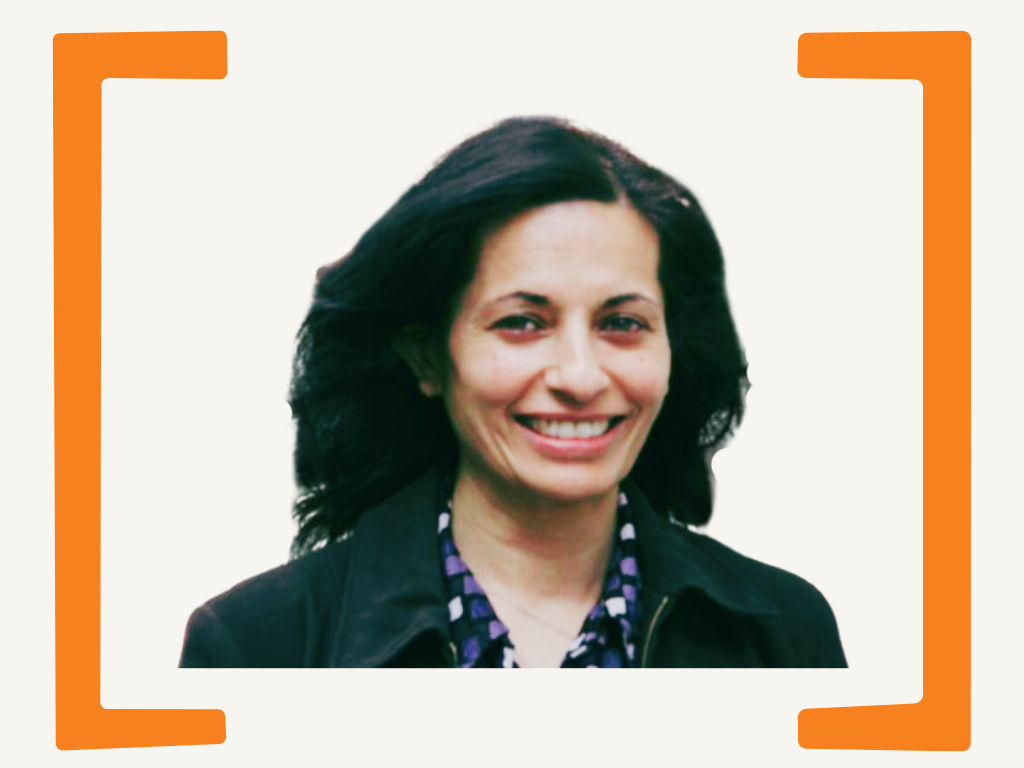
Angie Pankhania
Chief Operations Officer | United Nations Association UK
Angie is a passionate supporter of women’s rights and the important role they plan in peace and security and is currently the Chief Operations Officer at UNA-UK. Angie manages all aspects of UNA-UK, including key policy and campaign areas, and has helped to formulate and present strategy to the Board and external audiences.
Angie has pushed hard for equality and diversity, including transforming the UNA-UK governance structures to ensure that these values are at the heart of UNA-UK’s work. She has worked closely with networks to ensure that UK foreign policy is in line with UN objectives, particularly in the area of peace and security, and UNA-UK’s values such as human rights and feminism.
-

Stephanie Siddall
Director of Global Policy & Advocacy | Women for Women International
Stephanie has vast experience in humanitarian, development and peacebuilding policy, advocacy and programming; a deep understanding of the women, peace and security agenda; field experience in fragile and conflict-affected states; and a track record of working with (I)NGOs, women’s rights organisations, academics, multilaterals and governments.
Stephanie brings strategic, financial, and operational leadership and guidance to the GAPS Management Board and members on decisions and actions to be taken, as well as inputting into policy positions. Stephanie has worked closely with GAPS over the past three years, including as Co-Chair of the GAPS Policy Working Group, and is committed to the GAPS principles of feminism, equality, anti-racism and intersectionality.